What’s Driving Property Values in Christchurch This Year?
As we navigate through 2026, the Canterbury region has established itself as the standout performer in the New Zealand real estate landscape. When analysing property values Christchurch has consistently defied the cooling trends observed in other major metropolitan centres like Auckland or Wellington. This resilience is not merely a byproduct of historical affordability but is the result of a sophisticated interplay between infrastructure maturity, economic diversification, and a recalibrated lending environment. For homeowners, investors, and policy analysts, understanding the mechanics of this market is essential, as the city transitions from a post-rebuild phase into its role as a premier, high-tech South Island hub. The current financial year has seen the median sale price for residential dwellings reach a stable plateau at approximately $735,000. This represents a measured annual appreciation that reflects a healthy, balanced market rather than the speculative volatility of previous decades. Factors such as the stabilisation of the Official Cash Rate at 2.25% and a sustained influx of domestic migration have provided a robust foundation for this growth. As the city continues to expand its commercial and industrial footprints, the underlying value of residential land remains on a clear upward trajectory, making it a focal point for those seeking long-term capital stability in a modern urban setting.
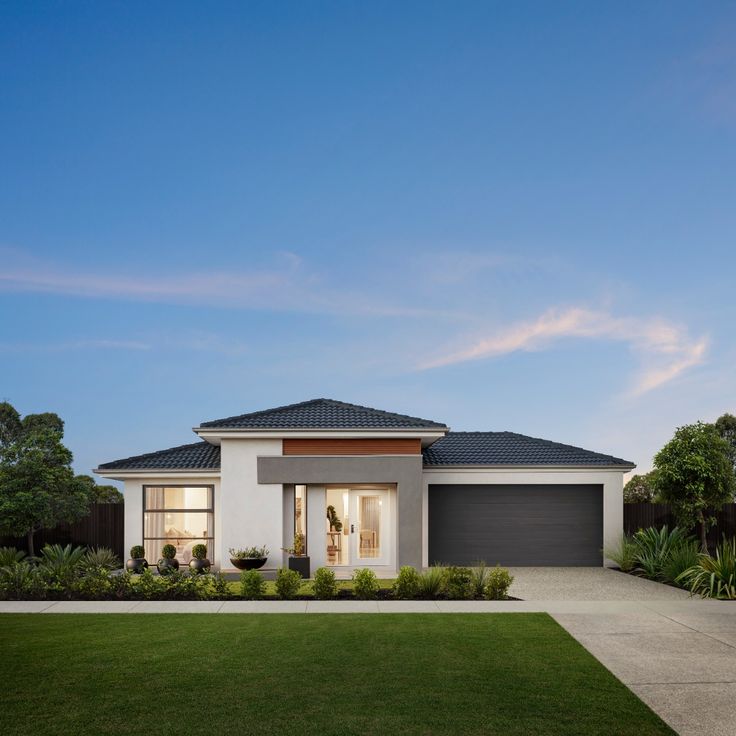
Infrastructure and Economic Pillars Influencing Property Values in Christchurch
The primary catalyst for the current strength of property values Christchurch-wide is the completion of several "anchor projects" that have fundamentally redefined the city's utility. The 2026 market is reaping the rewards of a decade of strategic planning.
The Impact of Civic Projects
The full activation of the Te Kaha stadium and the surrounding precinct has done more than just provide a venue for international events; it has catalysed a massive investment in the central city’s residential sector. High-density developments and luxury apartments within the four avenues are seeing unprecedented demand, as residents seek the vibrancy of a walkable, modern CBD. This urban regeneration has increased the land value of adjacent suburbs, as proximity to the city's commercial heart becomes a top priority for the modern workforce.
Connectivity and the Commuter Belt
The maturation of the Northern and Southern arterial motorways has effectively reshaped the geographic boundaries of the city. Suburbs that were once considered the "fringe" are now highly accessible commuter hubs. This improved connectivity has distributed value growth more evenly across the region, with areas like Rolleston and Rangiora seeing sustained interest. The ability to live in a semi-rural setting while maintaining a twenty-minute commute to the central city has created a unique value proposition that few other New Zealand cities can replicate.
A Diversified Regional Economy
Unlike regions that are heavily reliant on a single industry, Christchurch boasts a diverse economic base spanning agriculture, high-tech manufacturing, and a booming tourism sector. In 2026, the tech sector specifically has seen a 15% growth in employment, attracting high-income professionals to the region. This influx of human capital creates a consistent demand for high-quality housing, ensuring that property values remain supported by genuine purchasing power rather than speculative credit.
Navigating the Market with a Property Valuer Christchurch
In a market defined by such specific geographic and structural nuances, the role of a professional property valuer Christchurch-wide has become more critical than ever. The city’s unique history means that two seemingly identical properties on the same street can have vastly different underlying values based on their land classification, seismic strengthening, or foundation design. A registered valuer provides a level of forensic analysis that goes far beyond a simple real estate appraisal. In 2026, lenders have maintained strict criteria for high-LVR (Loan-to-Value Ratio) loans, making an independent, evidence-based valuation a prerequisite for most successful finance applications. A valuer assesses the property’s compliance with modern building codes, its energy efficiency rating, and its position within the current District Plan, providing a legally standing document that protects both the buyer and the financial institution.
Sector Performance and House Values Christchurch
A granular look at house values in Christchurch data reveals a clear preference for modern, low-maintenance housing typologies. The market has moved away from the "fixer-upper" trend of the mid-2010s toward properties that offer immediate occupancy and high thermal performance.
The Dominance of the Townhouse
Townhouses have emerged as the most liquid asset class in 2026. With value growth in this sector estimated at 6% to 7% annually, they are outperforming traditional standalone homes. The appeal lies in their energy efficiency—many new builds now feature solar integration and superior insulation as standard—and their positioning in high-amenity inner suburbs like St Albans and Addington.
Premium Standalone Estates
In the western suburbs and the lower slopes of the Port Hills, the market for premium standalone homes remains exceptionally tight. Scarcity is the primary driver here; there is simply very little land left in blue-chip zones like Fendalton or Cashmere. Consequently, when a well-maintained family home in these areas hits the market, it often attracts multiple offers, maintaining high price ceilings that set the benchmark for the rest of the city.
The Precision of a House Valuation Christchurch
For those looking to list their property in the current market, obtaining a formal house valuation in Christchurch is a strategic move that can significantly reduce time-on-market. In 2026, buyers are more informed than ever, often coming to viewings armed with their own data and market reports. An overpriced property is quickly identified and avoided, while a property priced accurately based on a professional valuation often generates a competitive bidding environment. A professional valuation accounts for specific improvements that automated models often miss. For example, a property that has been retrofitted with double glazing, a modern ducted heating system, and updated kitchen amenities will see a significant uplift in its valuation. These features are highly prized in the Christchurch climate and are tangible value drivers that a valuer will highlight in their report.
Strategic Wealth Management Through Home Valuation Christchurch
For existing homeowners, a home valuation Christchurch service is an essential component of an annual financial check-up. As values have steadily climbed over the past few years, many residents have seen a significant increase in their equity. This equity can be leveraged for:
- Energy Upgrades: Utilising equity to install solar power or better insulation, which in turn further increases the property’s market value.
- Investment Expansion: Using the equity in a primary residence to secure a deposit for an investment property in high-yield areas like the eastern suburbs.
- Refinancing: With mortgage rates in 2026 sitting in a more stable range, a fresh valuation can help homeowners move to a lower interest rate tier by proving a more favourable LVR.
Future Trajectory for Property Valuation Christchurch
As we look toward 2027, the outlook for property valuation in Christchurch remains optimistic. The city has completed its transition from a period of reconstruction to one of expansion. The arrival of new international hotel chains and the continued growth of the healthcare sector around the hospital precinct suggest that demand for central and near-central housing will only increase. While there are always global economic factors to consider, the local fundamentals—population growth, infrastructure quality, and a balanced supply of new housing—point toward a market that will continue to offer sustainable, moderate growth. Christchurch has firmly established itself not just as a cheaper alternative to the North Island, but as a destination of choice for those seeking a high-tech, high-amenity lifestyle in a resilient urban environment.
Frequently Asked Questions
What is the average house price in Christchurch in early 2026?
The median sale price for residential property in Christchurch currently sits at approximately $735,000, with an average city-wide value of around $793,588. This varies significantly between entry-level townhouses and premium hillside estates.
Why are property values in Christchurch more stable than in Auckland?
Christchurch has a more balanced relationship between supply and demand. The city’s efficient planning has allowed for a steady stream of new housing that meets demand without causing the massive supply-chain bottlenecks or speculative bubbles often seen in larger centres.
How does the 2.25% OCR impact the Christchurch market?
The stabilised OCR has resulted in retail mortgage rates in the mid-4% range. This has provided a "Goldilocks" environment for buyers—rates are low enough to be affordable for many, but high enough to prevent the rampant speculation that drives prices to unsustainable levels.
Which Christchurch suburbs are currently seeing the most growth?
Halswell, St Albans, and Addington are currently leading the market in terms of transaction volume and value appreciation. These suburbs offer a mix of modern housing stock and proximity to employment hubs.
What is the difference between a real estate appraisal and a professional valuation?
A real estate appraisal is an estimated price range provided by an agent based on their experience. A professional valuation is a detailed, legal document prepared by a registered valuer using rigorous data analysis; it is required by banks for mortgage approval.
How do land classifications (TC1, TC2, TC3) affect my property value?
Land classification is a key factor in a Christchurch valuation. TC1 land is the most stable and generally commands a premium, while TC3 land may require more complex foundation designs for new builds, which is factored into the land’s underlying value.
Are townhouses a good investment in the 2026 market?
Yes, townhouses are currently the top-performing asset class for growth in Christchurch. Their modern construction, energy efficiency, and central locations make them highly attractive to the largest segment of active buyers: professionals and downsizers.
Should I get a valuation before I renovate?
It is often wise to consult a valuer to see which renovations provide the best return on investment. In Christchurch, upgrades that improve the "core" of the home—such as heating, insulation, and double glazing—typically offer the best value uplift.
How long does a formal property valuation take to complete?
A site visit usually takes about 30 to 60 minutes, and the final comprehensive written report is typically delivered within 3 to 5 business days.
Is Christchurch still an affordable city for first-home buyers?
Compared to other major New Zealand cities, Christchurch remains highly accessible. With a wide range of townhouses priced between $550,000 and $680,000, it offers one of the best opportunities for first-home buyers to enter a high-growth market.
